When sourcing lightweight flanges, the decision between domestic and imported products impacts cost, quality, lead time, and regulatory compliance. Texas Flange & Fittings Inc. stocks both options and helps customers navigate the trade-offs to find the optimal solution for their specific applications.

Domestic flanges manufactured in the United States are subject to rigorous ASME, ASTM, and ANSI specifications. Quality control processes are consistently audited and enforced, ensuring every flange meets or exceeds industry requirements.
Mill certificates, material test reports, and production documentation are readily available for domestic flanges. Complete traceability from raw material to finished product provides confidence in material properties and compliance verification.
Domestic manufacturers stock common sizes and can ship products quickly from U.S. warehouses. Emergency orders and expedited shipments are typically available, reducing project delays and supporting just-in-time inventory strategies.
Direct communication with U.S.-based engineers and salespeople ensures prompt responses to technical questions. Same-timezone support simplifies problem-solving and reduces coordination complexity.
Domestic flanges are pre-certified to meet U.S. standards, eliminating the need for costly third-party testing or re-certification. This is critical for projects requiring strict regulatory compliance documentation.
Domestic sourcing reduces dependence on international logistics, port delays, and tariff volatility. Supply chain risk is lower, making budgeting and project timelines more predictable.
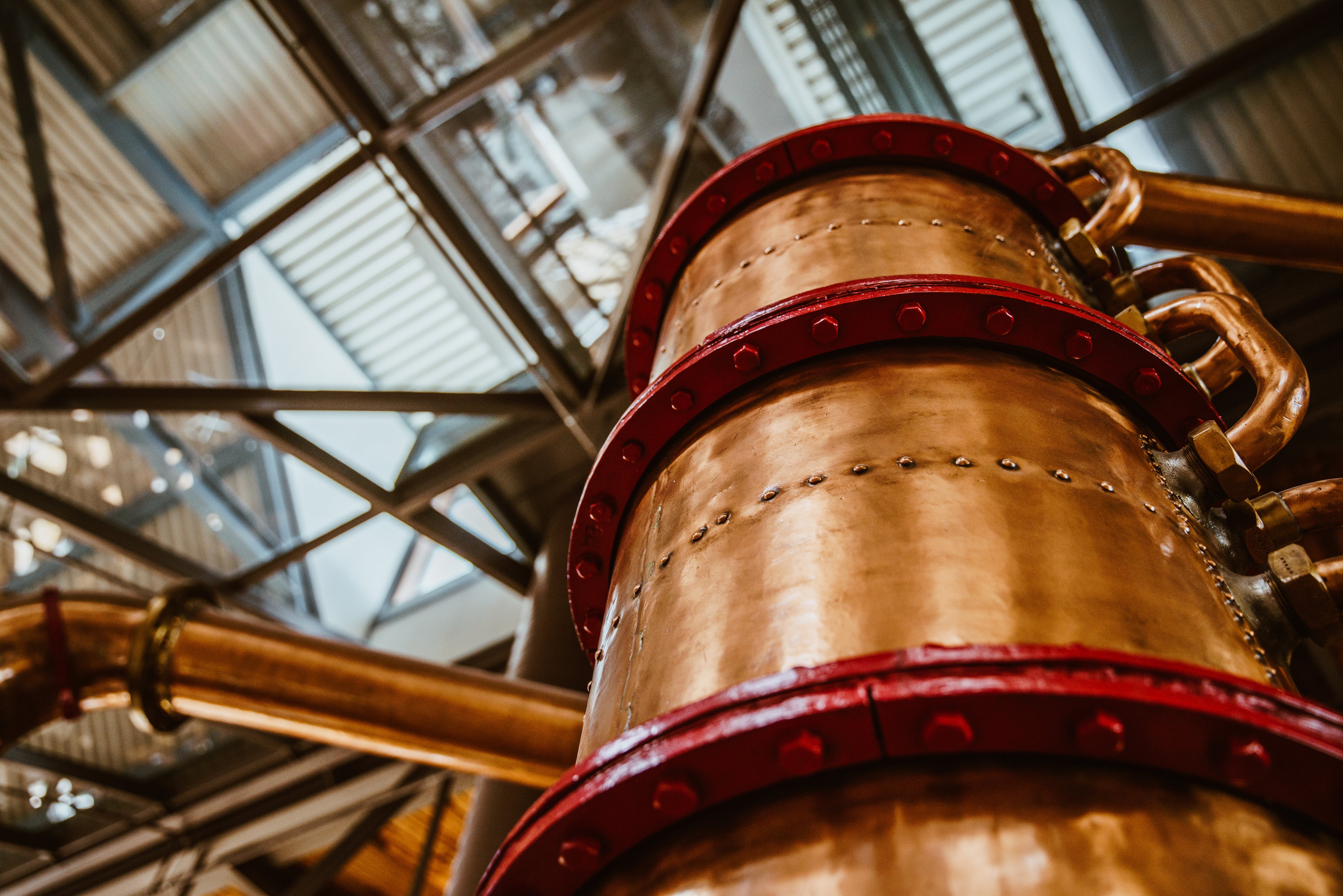
The primary trade-off for domestic flanges is higher unit cost. U.S. manufacturing is subject to higher labor, energy, and regulatory compliance costs. However, the value extends beyond price.
While domestic flanges carry a higher upfront cost, the total cost of ownership often favors domestic sourcing when accounting for reduced installation delays, lower rework costs, avoided non-compliance penalties, and improved system reliability.
Imported flanges, particularly from Asia, offer substantially lower unit costs due to lower labor and manufacturing expenses. For large-volume projects or price-sensitive budgets, imports can reduce material costs by 30–50%.
International suppliers often operate high-volume production facilities and maintain extensive inventories. Large orders can typically be fulfilled quickly, making imports viable for significant procurement needs.
For standard sizes and common specifications, imported flanges perform adequately at lower cost. The upfront savings make imports attractive for applications with less stringent requirements or where price competition is the primary differentiator.
Imported flanges are not subject to U.S. standards enforcement. Quality can vary significantly between manufacturers and even between production batches from the same supplier. Third-party inspection is often necessary.
International shipping, customs clearance, and port delays can extend delivery timelines to 8–12 weeks or longer. Project schedules can be jeopardized if supply chain disruptions occur.
Imported flanges may not carry ASME or ANSI certification. Third-party testing and certification adds cost and delays. Some projects explicitly require domestically-sourced products for regulatory compliance.
Mill certificates and material traceability may be incomplete or unreliable. Verifying material properties, heat treatment, and dimensional accuracy often requires independent testing.
Distance, language barriers, and time zone differences complicate technical communication. Resolving issues or obtaining engineering support can be slow and frustrating.
Tariffs, shipping disruptions, and geopolitical factors can affect import costs and timelines unpredictably. Long-term supply agreements become harder to honor under changing conditions.
| Factor | Domestic Flanges | Imported Flanges |
|---|---|---|
| Unit Cost | Higher (baseline) | 30–50% savings |
| Quality Standards | ASME/ANSI Certified | Variable, uncertified |
| Lead Time | 2–4 weeks typical | 8–12 weeks typical |
| Traceability | Full documentation | Often incomplete |
| Technical Support | Responsive, same-zone | Slow, language barriers |
| Compliance Risk | Pre-certified, low risk | Testing required, higher risk |
| Supply Chain Risk | Domestic control, predictable | Tariffs, delays, volatility |
Hybrid Approach: Many savvy procurement teams use a blended strategy—domestic for critical, compliance-sensitive, or emergency applications; imports for commodity buys with lead time flexibility. Texas Flange & Fittings can help you structure sourcing to balance cost, quality, and schedule.

Since 1986, Texas Flange & Fittings Inc. has maintained extensive inventory of both domestic and imported lightweight flanges. We understand the trade-offs and help customers make informed decisions based on their specific project requirements.
Let our team assess your project needs and recommend the optimal domestic/import mix to achieve your cost, quality, and schedule objectives.
Contact Texas Flange & Fittings Inc. to discuss your project requirements and find the right balance of cost, quality, and delivery for your lightweight flanges.
Email: sales@texasflange.com | Established 1986
Our engineering team builds to your tolerances, ships from Houston.
281-484-8325